
Kindergarten - GRADE 4
A Rich and Advanced Curriculum
The Sage School’s Lower School academic program is filled with advanced content that encourages curiosity, critical thinking, creativity, and problem-solving through in-depth study. True to our mission and educational philosophy, students are encouraged to make connections across disciplines and understand how their learning applies beyond the classroom.
From an early age, students are invited to ask questions, explore real-world problems, consider their own role in the world, and use their knowledge in meaningful ways.
Learning is enriched through authentic experiences, including opportunities to engage with professionals such as scientists, engineers, authors, and artists through guest speakers, field studies, and field trips. Students also begin developing a sense of responsibility and agency through community connections and service-oriented projects, such as creating food bags for local shelters or baking treats for animal shelters. By the end of fourth grade, students are confident, articulate learners who approach new challenges with curiosity, independence, and a broad understanding of diverse concepts and ideas.
Explore Our Curriculum
For more information on specific subject areas, please refer to our curriculum details below.
Hands-On, Real-World Projects.
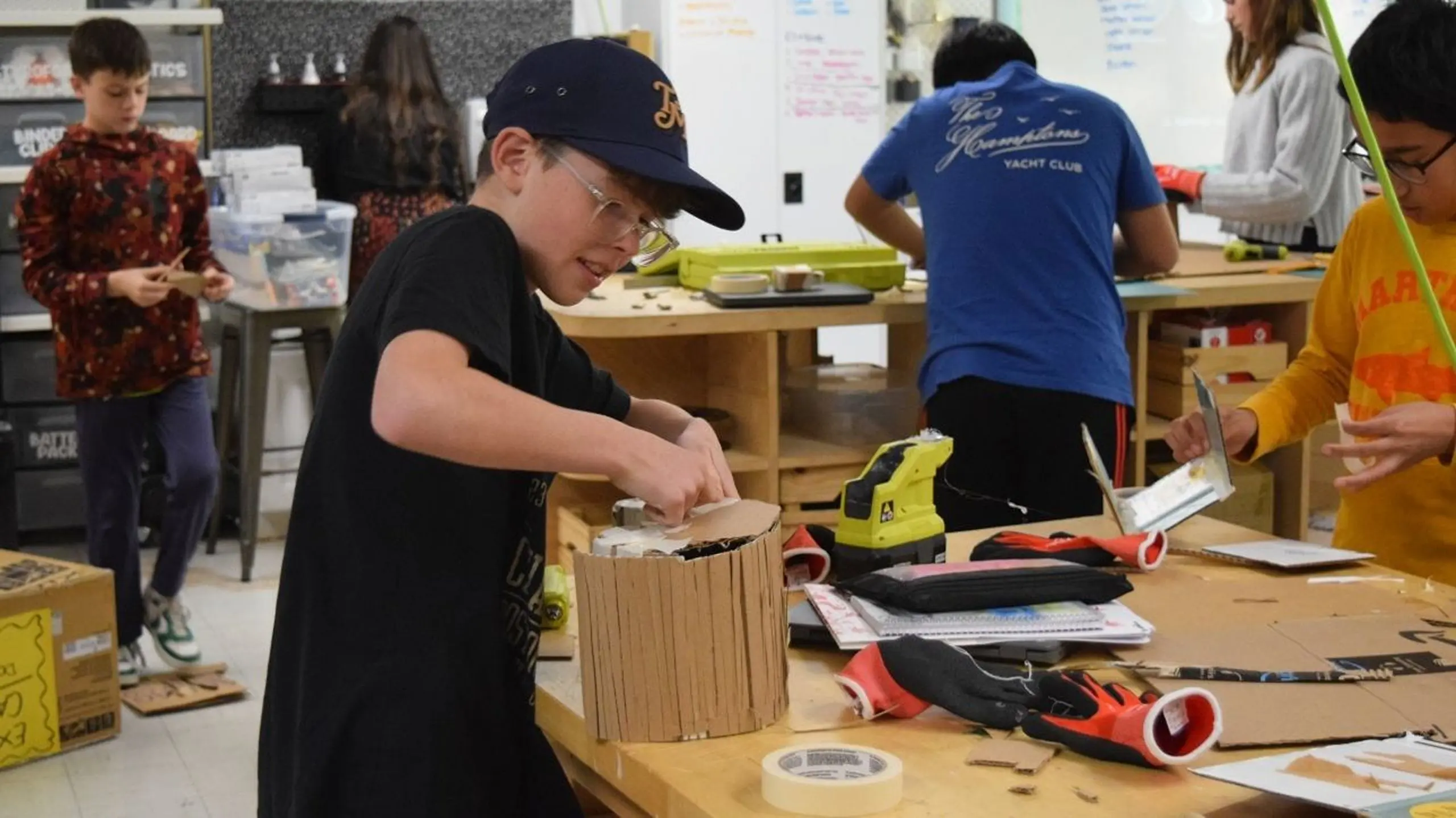
Starting in Grade 2, students participate in long-term projects centered on topics such as sustainability. They work individually or in teams to solve global problems using scientific, engineering, and design processes. Solutions are built in the science lab, arts studio, or Makerspace, and students present their innovative solutions to parents and professionals, fostering communication and collaboration skills.
Humanities
Humanities in Kindergarten through Grade 4 is a spiraling curriculum in which students build increasingly sophisticated skills and understandings through the study of literature, writing, history, culture, and the human experience. From an early age, students are encouraged to engage deeply with a wide range of texts, developing a love of literature while learning to analyze ideas, make connections, ask questions, and share their thinking. Students explore a variety of writing forms and purposes, developing their ability to communicate clearly and creatively through narratives, informational writing, opinion pieces, research, and other authentic forms of expression.
Literacy instruction is grounded in a structured, multisensory approach based on the Orton-Gillingham methodology through Grade 2, providing students with a strong foundation in how language works, including phonemic awareness, decoding, encoding, and spelling patterns. As students develop as readers and writers, instruction expands to include the study of morphology, vocabulary, and the structure of language through concepts such as Greek and Latin roots. Throughout the program, students are encouraged to explore the richness of language itself—examining word origins, etymology, and the ways language evolves and connects ideas across disciplines. For gifted learners especially, this exploration taps into their natural curiosity and enthusiasm for understanding systems, patterns, and the deeper meaning behind the words they use.
In Kindergarten and Grade 1, students explore social studies through an understanding of themselves and their place in the world.
Students investigate identity, family, community, culture, and belonging while developing an awareness of how people live, work, and interact with one another. Beginning in Grade 2, students expand their understanding of communities and societies through the study of citizenship and civic engagement, geography, culture, and human experiences. Students develop foundational skills in mapping, human and physical geography, anthropology, and sociology while learning to examine primary sources, ask historical questions, and understand how people and societies change over time. Across the program, students continue to build on these foundations as social studies and humanities learning become increasingly interconnected, allowing them to explore how history, literature, art, geography, and culture together shape the human experience.
STEM
Sage’s STEM program integrates mathematics, science, engineering, and computer science to develop students who are curious problem-solvers, creative thinkers, and confident learners. Across disciplines, students are encouraged to ask meaningful questions, investigate complex problems, test ideas, learn from mistakes, and apply their knowledge in authentic ways. Rather than simply memorizing information or procedures, students develop the habits of mind of mathematicians, scientists, and engineers: questioning, analyzing evidence, revising their thinking, and persevering through challenges.
Our mathematics curriculum is intentionally advanced, with students typically engaging with content at least one grade level beyond traditional expectations.
Students apply mathematical thinking to real-world situations through mathematical modeling, interdisciplinary projects, and opportunities to explore how math shapes the world around them. Competition mathematics and problem-solving experiences challenge students to develop stamina, resilience, flexibility, and the confidence to approach complex problems from multiple perspectives. Our program supports students who are highly advanced in mathematics while also ensuring that students whose strengths may be concentrated in the humanities or other areas develop the strong mathematical reasoning and scientific thinking skills needed to thrive.
As students progress through the grades, they engage with increasingly sophisticated concepts, including advanced number sense, operations, fractions, algebraic thinking, measurement, geometry, and mathematical reasoning. By the end of fourth grade, students are applying mathematical concepts to complex, open-ended problems, communicating their reasoning using precise mathematical vocabulary, and making connections between mathematics and other disciplines. Students also have opportunities to participate in enrichment experiences such as contest mathematics, including the Noetic Learning Math Contest, New England Math League, and Math Olympiad.
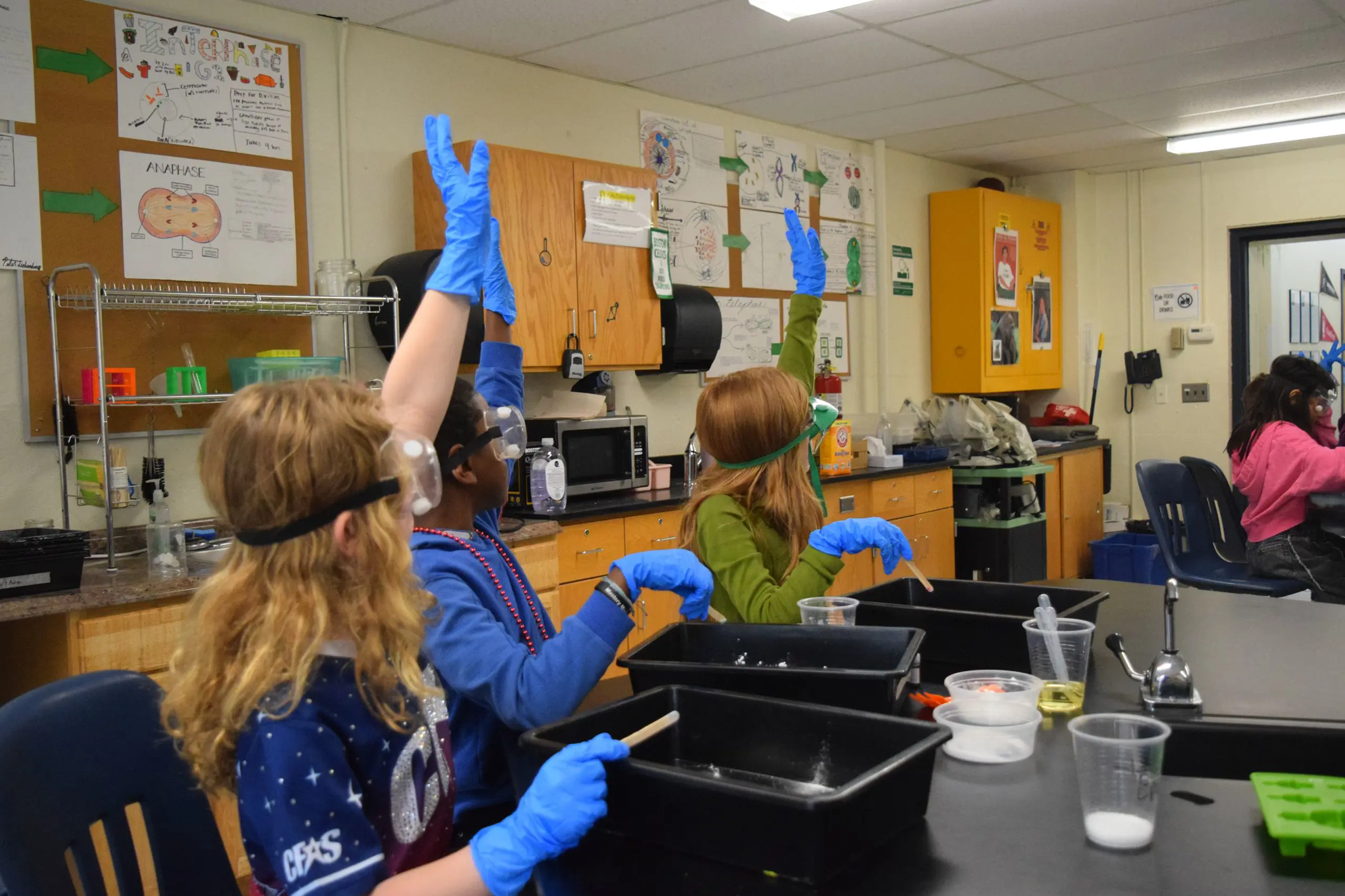
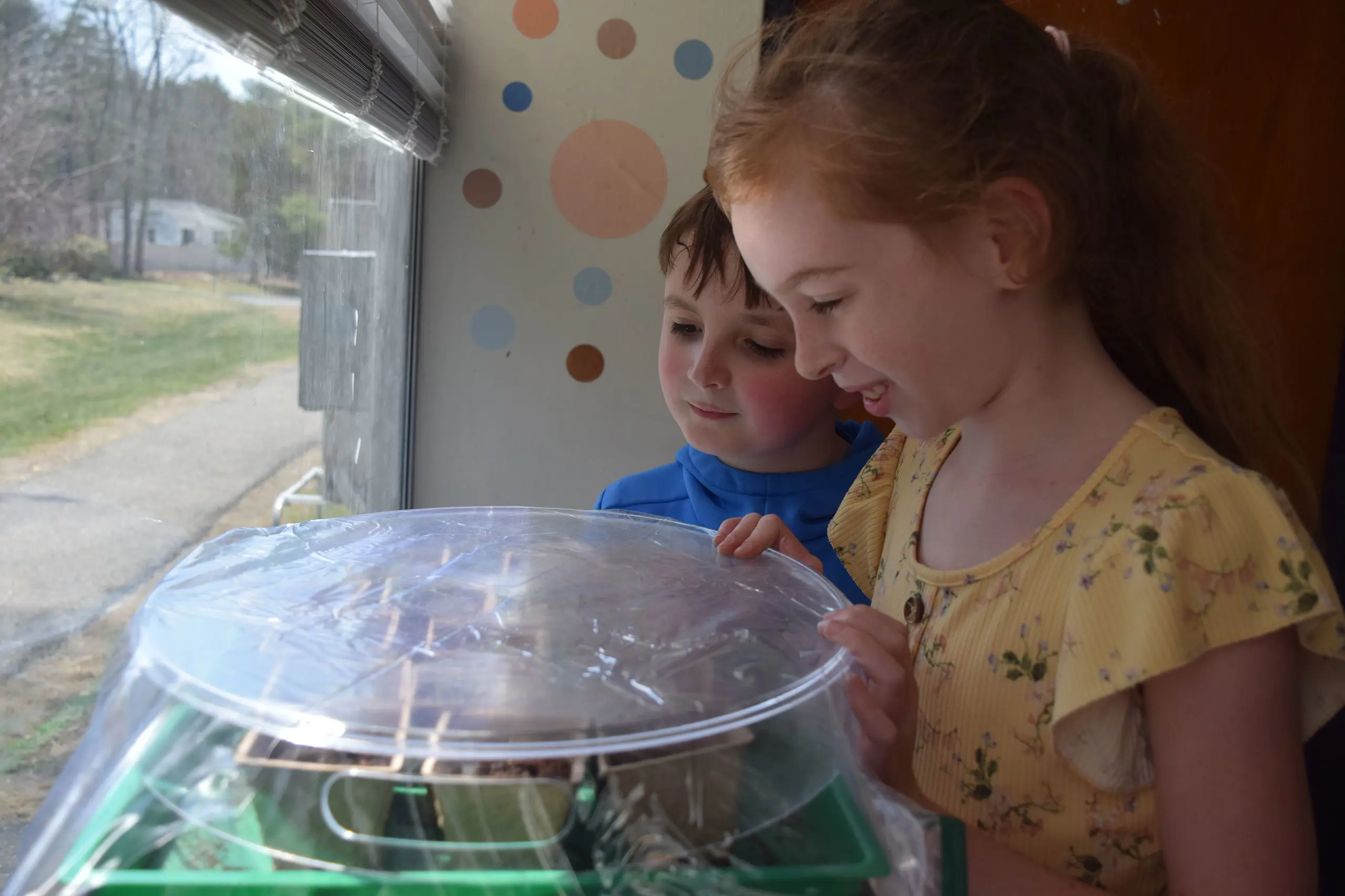
Science instruction at Sage is rooted in a phenomena-based approach that positions students as scientists from the very beginning of their educational journey.
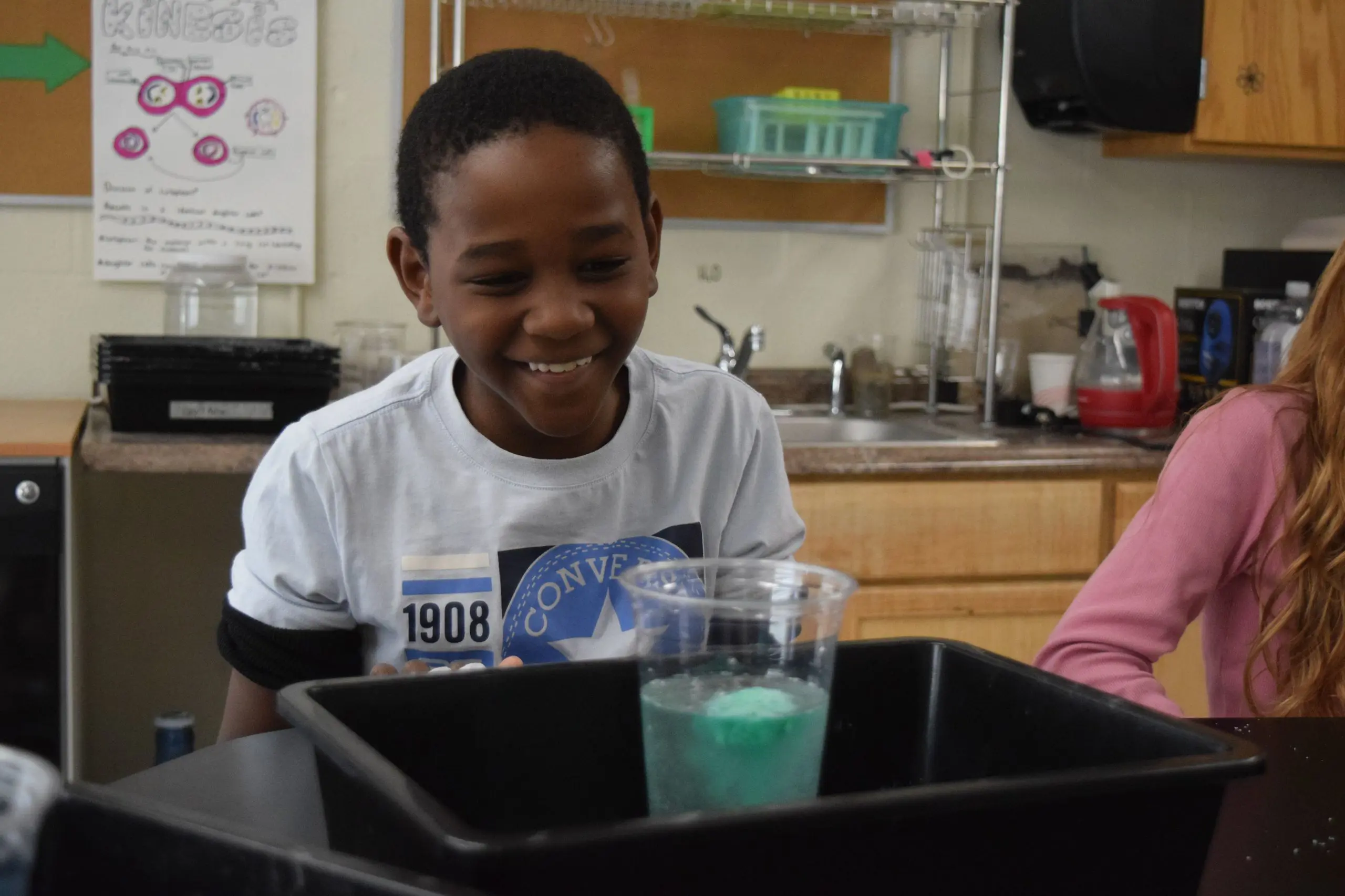
Students explore the natural world by asking questions, investigating phenomena, gathering evidence, designing experiments, and revising their ideas when their initial thinking does not explain what they observe. Through a spiraling curriculum, students develop increasingly sophisticated skills in life science, physical science, Earth science, chemistry, physics, and engineering while building a deep understanding of the processes scientists and engineers use to make sense of the world.
Each unit begins with meaningful questions and opportunities for exploration that encourage students to think across disciplines. Students engage in hands-on investigations, engineering challenges, and design processes that require creativity, collaboration, and persistence. Learning is enriched through authentic connections with scientists, engineers, designers, and other experts through field experiences, guest speakers, and community partnerships. By the upper elementary years, students are designing investigations, analyzing evidence, and communicating scientific ideas with increasing independence.
Computer science and computational thinking are integrated throughout the year beginning in Kindergarten. Students develop foundational skills in coding, design, systems thinking, and problem-solving while exploring how technology can be used as a tool for creativity and innovation. As students grow, they apply these skills through interdisciplinary projects, research, and design challenges, using computer science as another way to investigate questions, develop solutions, and communicate their ideas.
Spanish
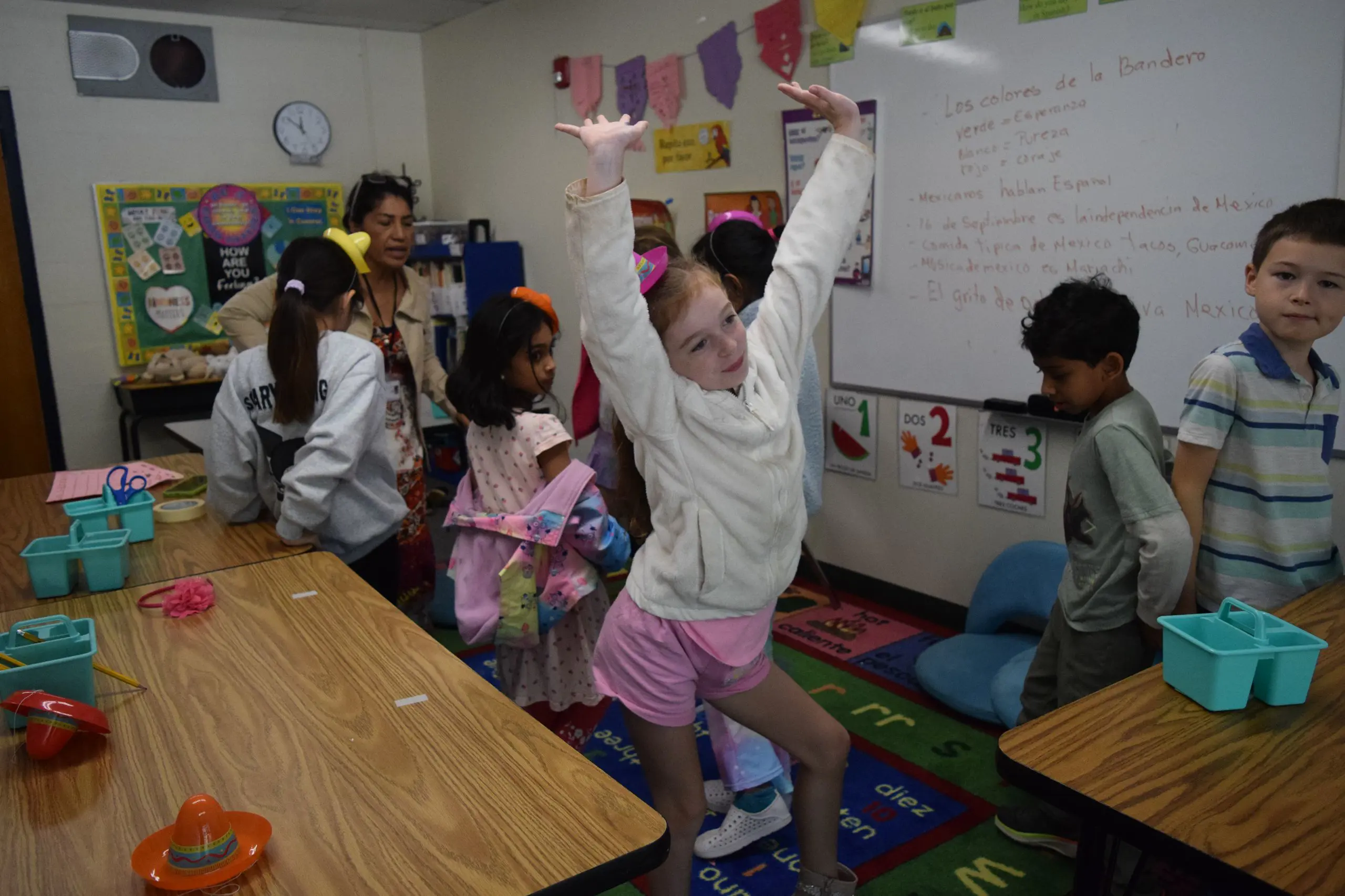
Spanish in Kindergarten through Grade 4 provides students with meaningful exposure to language, culture, and communication through engaging, age-appropriate experiences taught by native Spanish-speaking educators. The goal of the Lower School program is to build curiosity, confidence, and a strong foundation for continued language learning while helping students understand how language connects people, communicates ideas, and reflects culture.
Beginning in Kindergarten, students develop familiarity with Spanish vocabulary, expressions, pronunciation, and foundational communication skills through interactive lessons, songs, stories, conversations, and connections to their classroom learning. Students explore Spanish-speaking cultures and communities around the world, developing an appreciation for different perspectives and the ways language shapes human experiences. As students progress, they are introduced to increasingly complex language structures and opportunities to communicate in Spanish with greater independence.
Beginning in Grade 3, Spanish instruction increases to three times per week, providing additional opportunities for students to deepen their language skills and prepare for the Upper School language program. Students begin moving beyond foundational oral language and vocabulary development toward expressing their own ideas in writing, while continuing to strengthen listening, speaking, reading, and cultural understanding. This increased instructional time allows students to build greater confidence and fluency as they prepare for the more immersive Upper School experience, where Spanish meets four times per week and students continue developing their ability to communicate, interpret, and engage with the language in meaningful ways.
Music, Performing Arts, and Visual Arts
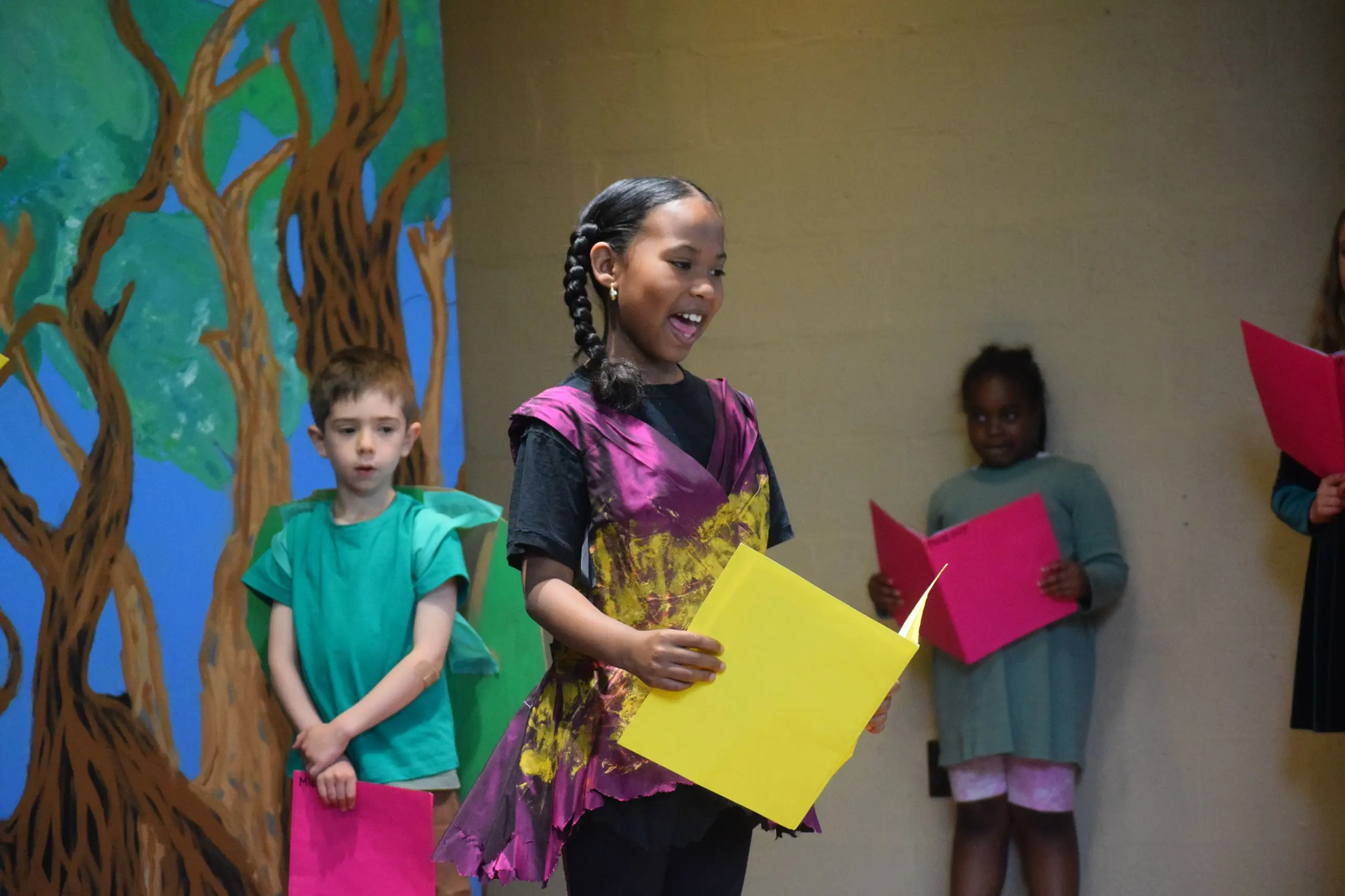
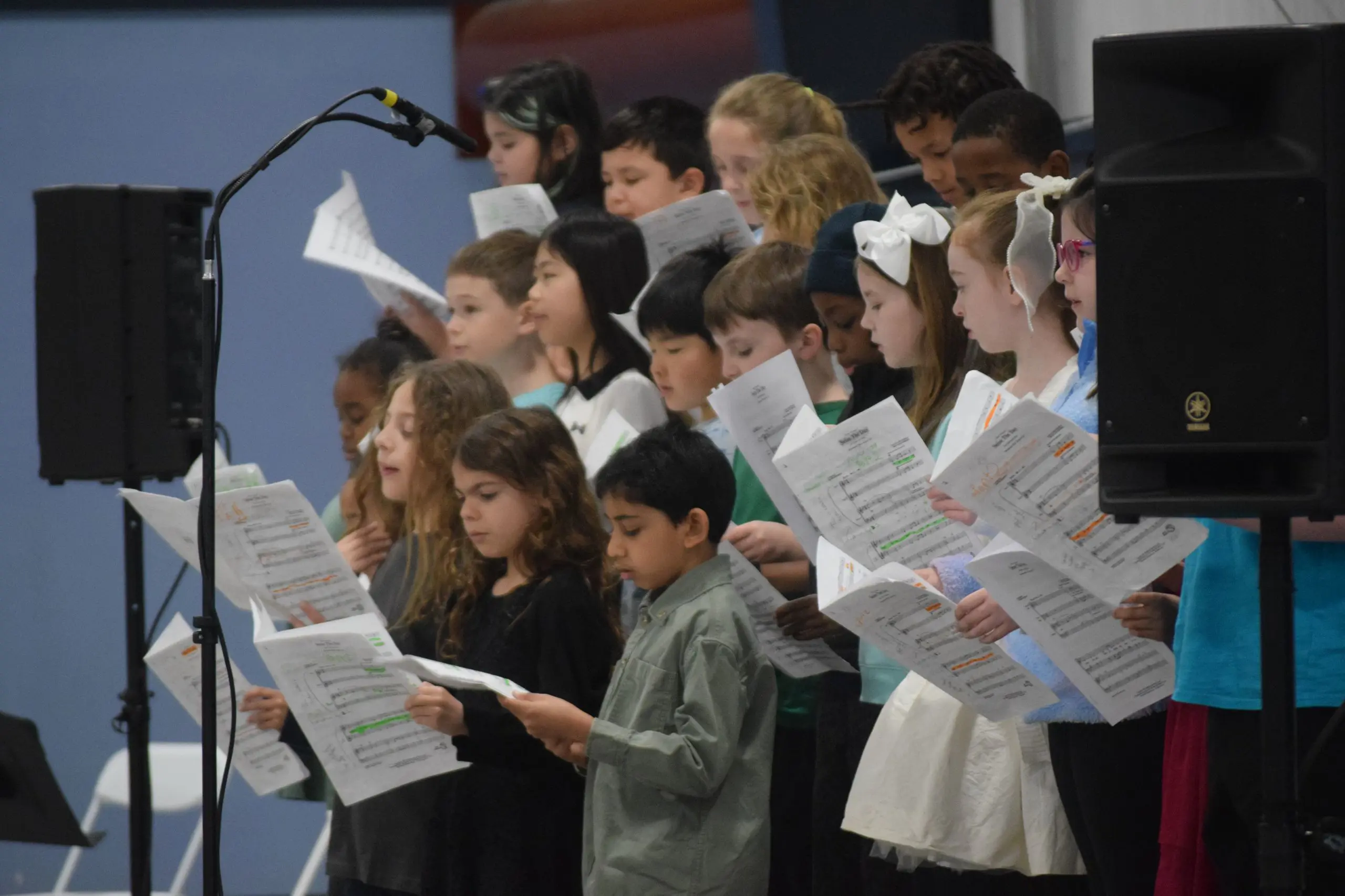
Sage’s arts program develops students’ artistic habits of mind, encouraging them to explore ideas, communicate meaning, take creative risks, and engage thoughtfully in the creative process. Through music, performing arts, and visual arts, students develop skills in observation, collaboration, reflection, perseverance, and self-expression while learning that creativity grows through exploration, practice, revision, and reflection. Students are exposed to a wide range of artistic traditions, techniques, materials, and perspectives, building an understanding of the arts as both a personal form of expression and a way to connect with the world around them.
Beginning in Early Childhood and continuing through Kindergarten, students participate in an integrated arts curriculum that introduces foundational concepts in music, movement, performance, and visual expression. Beginning in Grade 1, students move into dedicated music, performing arts, and visual arts classes, developing skills within each discipline while continuing to make connections across the arts, their classroom learning, and their own interests.
Throughout their time at Sage, students develop their artistic voice through a process that emphasizes curiosity, craftsmanship, imagination, communication, and reflection.
In Grade 4, students begin dedicated strings instruction, expanding their musical understanding through instrumental performance and ensemble experiences.
Students have opportunities to share their artistic growth with the Sage community through individual and group showcases throughout the year, including the Winter Assembly, Grandfriends Day performances, the Lower School Play Festival, and the Strings Concert. Across all three disciplines, students are encouraged to create, revise, and share their work while developing confidence in their unique perspectives and creative abilities.
Library
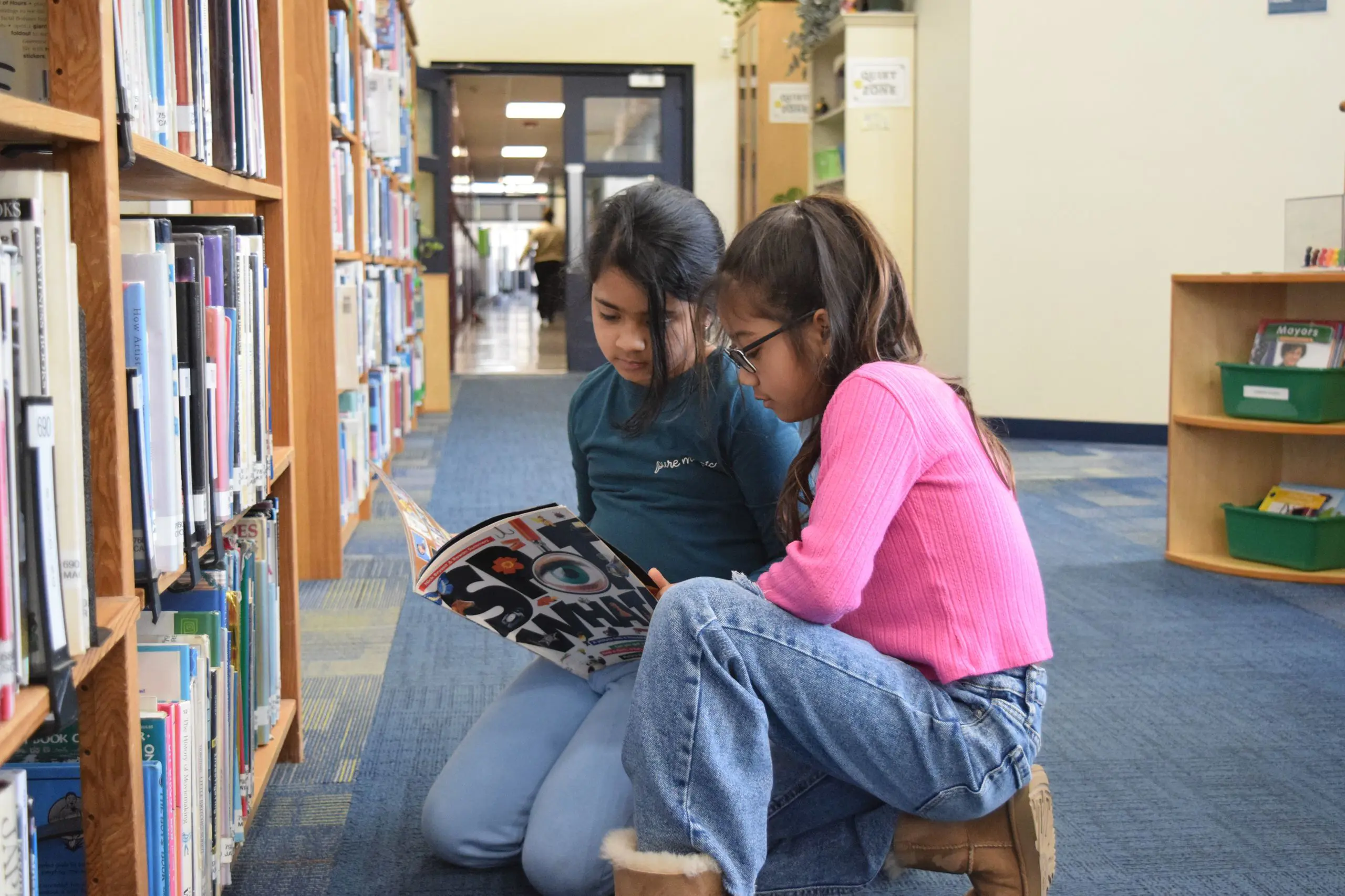
Lower School library experiences cultivate curiosity, a love of reading, and the skills students need to engage thoughtfully with information and ideas. Students have opportunities to explore a wide range of literature, develop personal connections with books, and build relationships with our librarian through read-alouds, discussions, research experiences, and independent exploration. As students grow, they develop increasing confidence in selecting texts, asking questions, conducting research, and using the library as a resource for discovery and learning.
Health and Physical Education
In Kindergarten through Grade 4, our health and physical education program supports the development of healthy habits, physical confidence, collaboration, and lifelong appreciation for movement. Students build foundational skills through a variety of activities that emphasize coordination, strength, endurance, teamwork, and problem-solving while learning the importance of wellness and personal responsibility.
As students progress through the grades, they refine their physical skills and apply them in increasingly complex settings, including individual, small-group, and team-based activities. Through movement, cooperation, and reflection, students develop sportsmanship, resilience, and confidence while learning how physical activity contributes to overall well-being.