
Diving Deep with Faculty: Raising Resilient Kids
Author: Jennifer Tanner
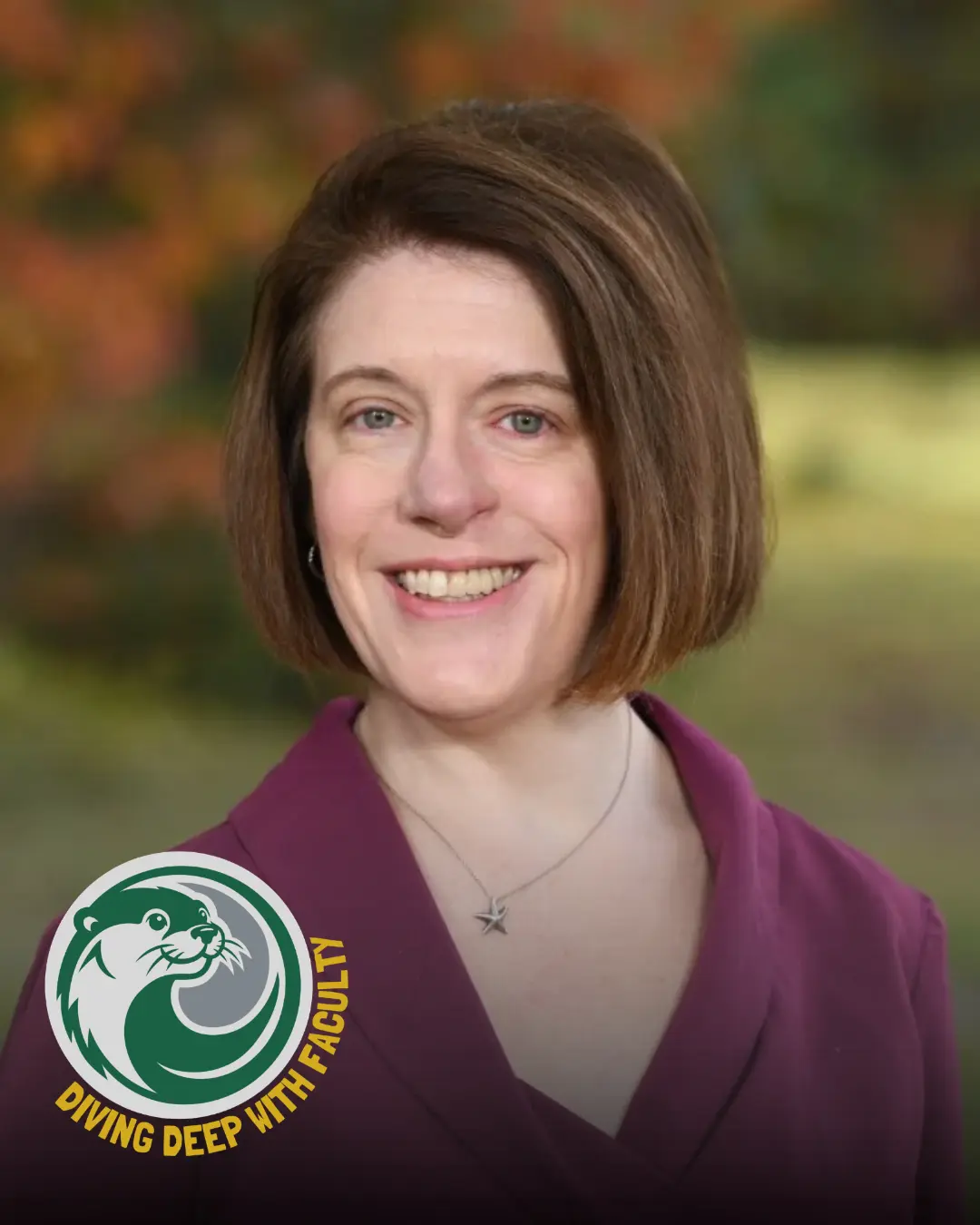 | For nine years, Kara Kennedy has been helping Sage students grow as learners and individuals. Currently teaching second grade and supporting the Student Support Team, Mrs. Kennedy especially enjoys the tremendous growth that happens during this stage of a child's development. From building stronger reading comprehension to learning to navigate friendships and collaborate with peers, second grade is a year marked by increased confidence and independence. It is also a time when students experience what joyful rigor looks like: taking on meaningful challenges, discovering what they are capable of, and building the confidence to keep going. |
How did we get here?
Imagine this: a sixth-grade student arrives at school having forgotten to do a homework assignment. Before the first period even begins, the teacher receives an email from the student’s parent explaining the oversight and asking for an extension.
The night prior, a third grader goes home sharing her hurt feelings when a classmate/friend excluded her from the group at recess. After dinner, the parent calls the other child’s parent to smooth over the disagreement and make sure everything is resolved before school the next day.
Mid-morning, a seventh grader realizes he forgot his lunch. A few text messages to a parent from the bathroom later, and lunch is on its way to school via Uber Eats.
Every one of these scenarios is a true story.
How did we get to a place where a forgotten assignment becomes a parent’s problem to solve? How did we get to a place where adults do the work of repairing a conflict between friends?
This is not unique to Sage. Truth be told, it is not even unique to the U.S. A study out of the UK notes that 62% of young drivers experience ‘refuel anxiety,’ to the point that some have even run out of gas because they were avoiding the task out of fear of making a mistake.
To add more fuel to the fire, a CDC report from last year found that one in three high school students in the US experienced persistent feelings of sadness or hopelessness within the prior year, and almost a quarter reported poor mental health. This is indeed alarming, and there is no doubt that the overwhelming desire of most parents is to make their children’s lives easier. Without question, that is what motivates most parents (or sometimes other adults such as teachers or coaches) to jump in and solve these relatively minor, day-to-day speed bumps. But does that help in the long run? Many are suggesting it does not.
Developing resilience is part of the crucial work of childhood. So, what exactly is resilience? According to Merriam-Webster, it is “the ability to recover, adapt, and bounce back quickly from stress, adversity, or change.”
Teaching this skill to young people isn’t about making childhood harder; it’s about teaching them that yes, they can do hard things.
Doing that can admittedly be hard for adults, too. Our goal is to support young people. But somehow we’ve moved from the fairly centrist approach of helping kiddos face or recover from mistakes into the more (unintentionally) extremist approach of preventing the mistakes or the discomfort in the first place. And when we do that, what happens next time? Kids who have never had to sit in discomfort before wind up with some pretty heavy feelings that are out of sync with the situation – in other words, the size of the reaction isn’t matching the size of the problem.
As that continues, everyday speed bumps – like missing one homework assignment or having your car be low on gas – start to feel like insurmountable challenges, and young people stop being able to differentiate between a minor setback and a full-on crisis.
So how do we help our young people go beyond being successful scholars and become successful young adults?
By developing their resilience.
That might mean the sixth grader who forgot his homework needs to have an uncomfortable conversation with the teacher, and possibly take a zero on that assignment. The 3rd grader may need to tell her friend her feelings were hurt, and the 7th grader might be hungry around lunchtime or make do with a granola bar from the nurse’s office. Will it hurt a bit? Maybe. Will it have a particularly negative impact on their futures? Exceptionally unlikely.
At Sage, we care about your child’s academic preparation and success – no question. That academic challenge is likely one of the reasons you’re here.
We also care greatly about instilling the skills that make our students not just bright but wise, and that will help them navigate the ups and downs that school and life will bring.
Hopefully, you’ll see thoughtful opportunities for intentionally cultivating resilience throughout our programming. That could include:
- Lower School students reflecting on questions such as ‘What difficulties did you encounter?’ and ‘What would you do differently next time?’ during their Project Fair presentations.
- Extra challenge problems in Math class that students may not yet have the background to solve, but have the ability to think through.
- Upper School Travel opportunities that give students the chance to travel away from home without their parents for a few days, to adapt to living with a new roommate or two, and to develop flexibility.
- The ability to run for a Student Council seat – and possibly lose.
- Sometimes this might simply look like a firm deadline on an assignment with no extension granted or not having the opportunity for a retake after a poor quiz score. (I promise, it’s not because a teacher is being ‘mean.’ Instead, the focus is on more than the grade; it’s also on developing life skills.)
Next time your child hits a speed bump in the road, I encourage you to consider the goal of the help you provide.
How can you show your child that you support them while also demonstrating that you know they can do hard things?
With best regards from the Community Life Office,
-Jenn Tanner
Assistant Head of School for Community Life
If you’re interested in additional reading on this topic, some popular titles include:
- How to Raise an Adult, by Julie Lythcott-Haims
- The Anxious Generation, by Jonathan Haidt
- The Coddling of the American Mind, by Greg Lukianoff and Jonathan Haidt